I arrived in Cappadocia with just a camera and a dream: to capture the surreal beauty of horseback riding through fairy chimneys at sunrise. What I found was much more—stories, landscapes, and images that stay with you forever.

I remember the silence just before dawn in Cappadocia. There I was, wrapped in a woolen shawl, standing ankle-deep in dust, camera bag slung over one shoulder. The horses were quietly shifting their weight beside me, steam rising from their nostrils, their sleek coats shimmering in the early light. I'd come searching for something more than a photoshoot—I wanted an experience that felt like a dream.
My alarm buzzed at 4:30 AM, but I barely felt the fatigue. There’s something magnetic about a Cappadocian morning. By 5:15 AM, I was climbing into a 4x4 that rumbled down the dusty road toward Rose Valley. The sky was still in deep hues of violet, and scattered across the horizon were dozens of deflated hot air balloons, waiting to rise with the sun.
When I arrived at the stables tucked into the red slopes, the horses were already being saddled. The guides greeted me with warm smiles and Turkish tea, and I took in the surreal backdrop—crimson cliffs glowing softly as the first light dusted the landscape. Riding a horse in that moment didn’t feel like tourism; it felt like stepping into a centuries-old tradition. The horses were careful and calm, expertly navigating narrow dirt trails between rock spires, their hooves muffled against the soft earth.
For photography, the light between 6:00 AM and 7:00 AM is unmatched. The sun crests just behind Love Valley, and if you're facing west, that golden light catches the dust in the air, creating an ethereal glow around the horse’s mane. I used a 50mm prime lens for portraits and switched to a wider 24–70mm for the landscapes. Riding one-handed while balancing my Canon felt precarious at times—but some shots are worth the risk.
I had the chance to slip into a traditional turquoise kaftan—embroidered by hand, the kind that flows like water when you move. The team at the ranch had an entire wardrobe to choose from, offering me silk sashes, beaded headpieces, and even antique jewelry once worn by Nomadic tribes. Sliding into those garments completely transformed the feel of my photos. No longer a traveler with a camera—I became part of the landscape, a figure from another era.
Most stables in Cappadocia offer photography packages, ranging from basic one-hour rides with a few snaps to elaborate sessions with changing backdrops, costume assistance, and a dedicated photographer. I chose a local company near Göreme that had stellar reviews and, more importantly, worked ethically with their horses. Transportation was arranged from my cave hotel, and they were punctual to the minute—another welcome surprise.
The horses, many of them Akhal-Teke and Arabian breeds, were incredibly photogenic—sleek, elegant, and calm. The trainers had clearly spent time acclimating them to both the terrain and the cameras. One tip—try to shoot when the horse is in motion; a gentle trot captures the tail flick and sandy footsteps, making the shot feel alive. I'd suggest setting your shutter speed high (1/1000s or faster) to freeze the motion without blur, especially in the golden hour.
As the ride continued, the scenery shifted. We passed by honeycomb-like dwellings carved into soft rock, the kind you've probably seen in postcards but can’t truly appreciate until you're there, breathing in that ancient air. The breeze carried the scent of sage and sun-warmed sandstone. Everything felt permanent yet fleeting, like a scene whispering from the past.
My favorite stretch was near Sword Valley. The terrain narrowed, and the way the morning light filtered between the towering rock stacks was nothing short of cinematic. Here, if you position your horse sideways against the rising sun, your silhouette is outlined by brilliant halos of light. I set my camera on burst mode, positioning slightly uphill and using manual focus—autofocus often struggles with this much backlight.
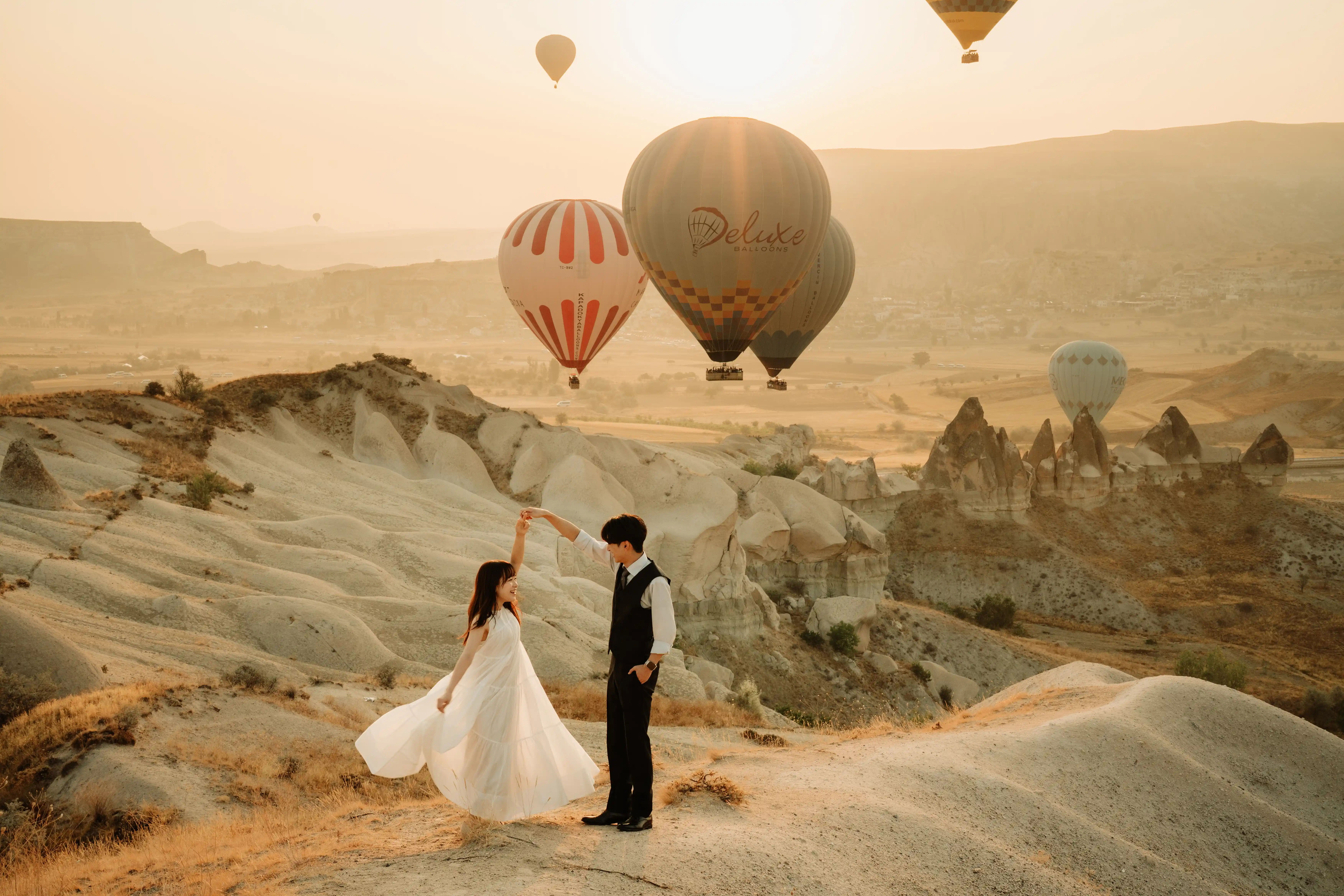
As the hot air balloons began dotting the peach-colored sky, our guide signaled a pause. I dismounted and set up a tripod on a ridge, 20 feet above the path. A patient horse and the flutter of fabric from my costume allowed for some of my most iconic shots: me standing beside the horse, gazing silently toward the sky awash with balloons. These moments felt curated by nature itself.
After the ride, back at the stables, I sat cross-legged with a glass of strong black çay in hand and exchanged stories with the trainers and fellow riders. Everyone had their own version of wonder, but the underlying theme was the same: Cappadocia changes how you see the world. It's not the kind of beauty you passively observe—it draws you in, asks you to participate, to feel its rhythm.
One of the locals noticed my camera and gestured toward another stone rise nearby. "Come tomorrow," he said, his voice rough but kind. "Same time, different magic." That’s the thing about this place. No two mornings are alike—the dust shifts, the sky changes, and your perspective evolves with each ride.
If you’re planning this experience, book your session for the earliest slot possible. Not only does the soft light flatter both rider and landscape, but the trails are quieter before the tourist rush. I also recommend confirming costume availability in advance—some pieces are one-offs and go quickly during high season (April to October). And absolutely bring a lens cloth—Cappadocia is breathtaking, but it is also dusty beyond belief.
Most reputable providers offer wardrobes that include traditional Turkish dresses, flowing kaftans, and accessories. If you prefer your own outfit, pick something with movement—long sleeves, flowing skirts, and earth tones complement the landscape beautifully. Avoid stiff denim or bright neons; they clash with the surroundings and can be uncomfortable during the ride.
Yes, many stables allow guests to bring their own photographer. However, note that some charge a small fee if you're not using their in-house team. It’s best to coordinate logistics beforehand, ensuring your photographer has access points and understands how to shoot with horses in dynamic light.
Absolutely. The guides are incredibly attentive, and the horses are well-trained and calm. You’ll receive a brief orientation before the ride begins, and most routes are designed to be scenic rather than technical. If you’re unsure, opt for a shorter session, such as the 1-hour sunrise loop.
Some places photograph beautifully but leave you feeling hollow. Cappadocia, on horseback, is the opposite—a scene so majestic, layered with memory and myth, that each photo barely does it justice. But they do serve as anchors, whispered reminders of a morning spent chasing light, dust, and timeless perspective. If you've ever dreamt of becoming part of a landscape instead of just observing it, this is your chance.
Bring your camera. Bring your curiosity. And, above all, bring your sense of wonder. Cappadocia is waiting—and its horses are ready to take you there.
Dive into our detailed guides on logistics, secret spots, and photography tips to ensure your day goes smoothly.