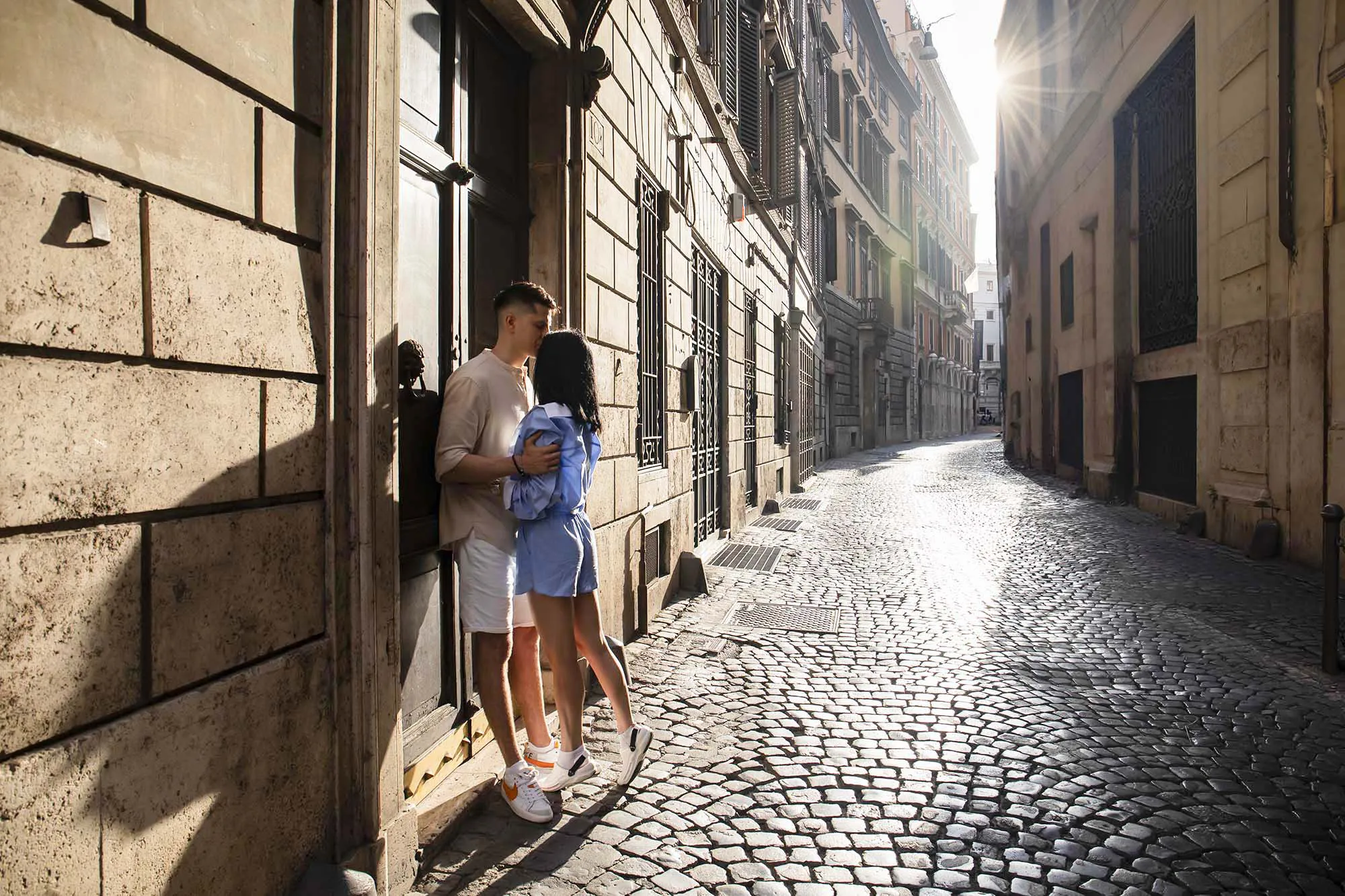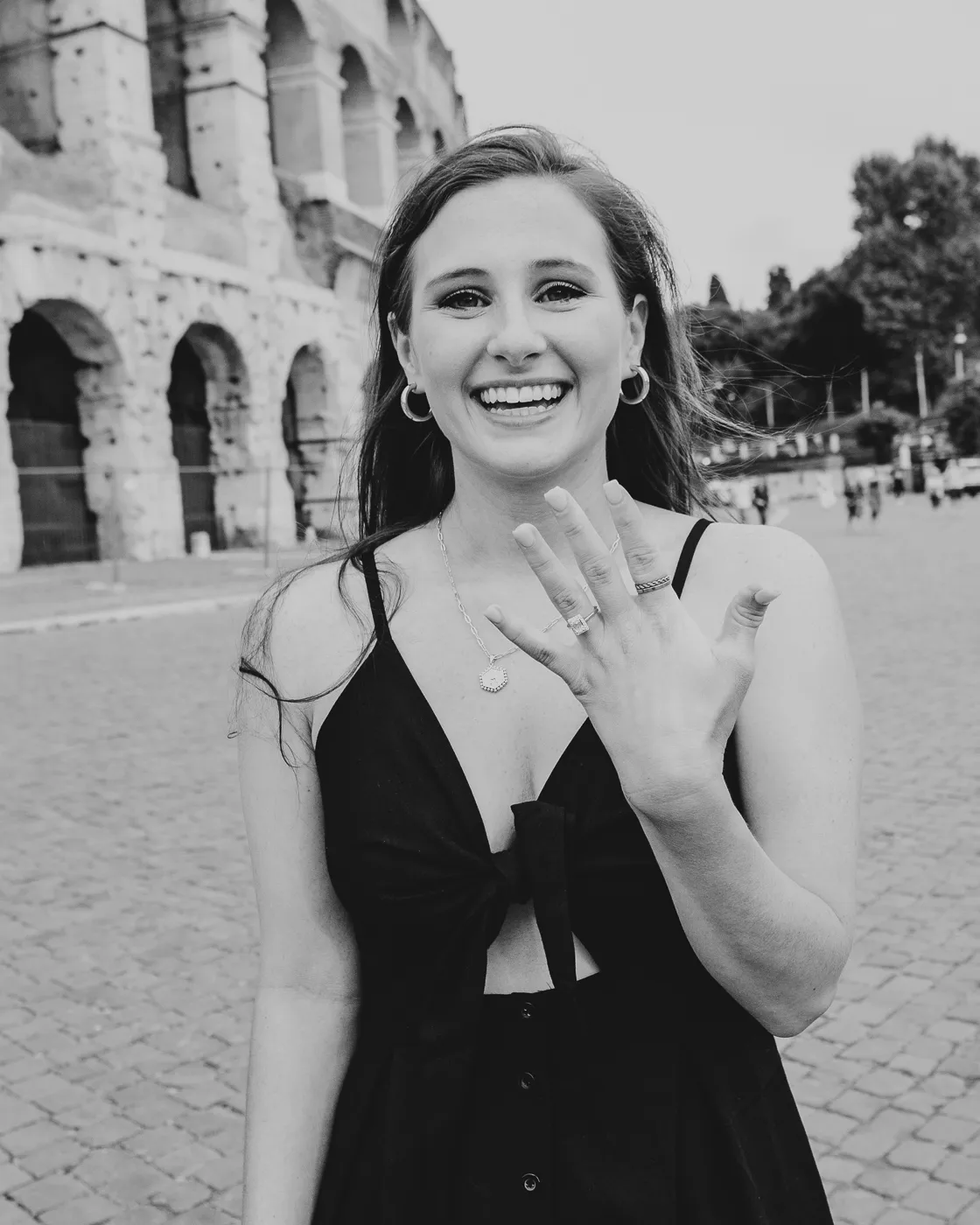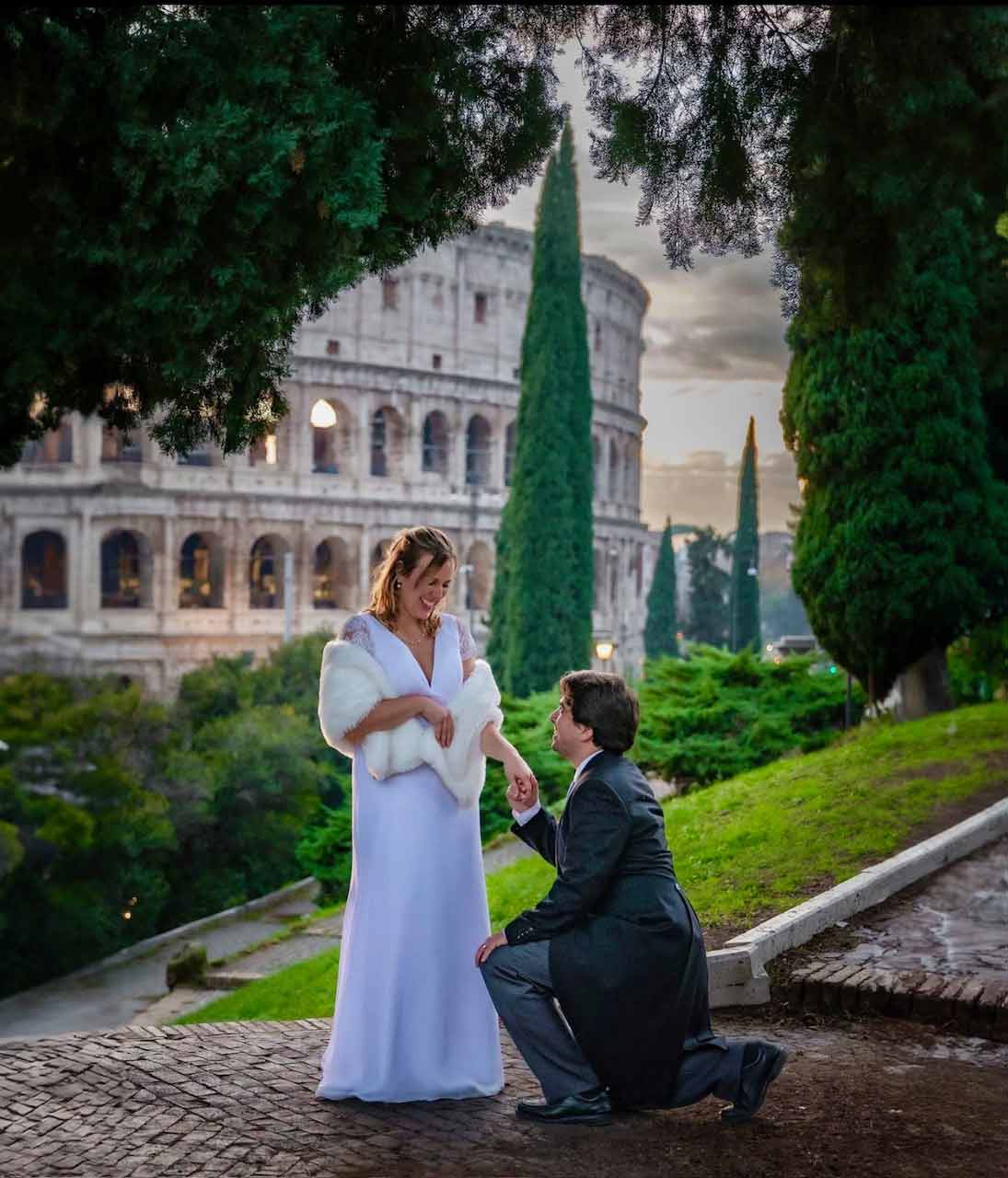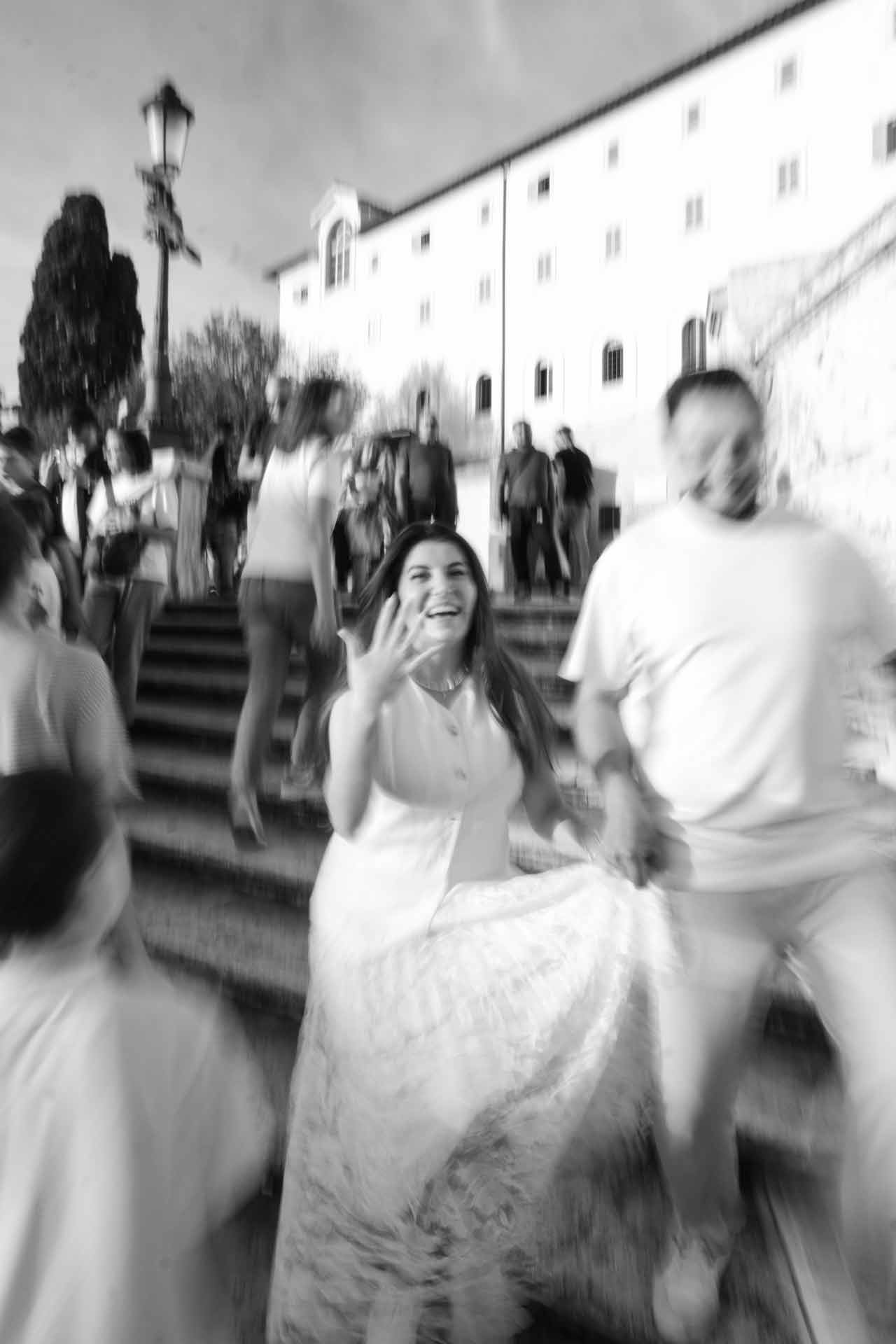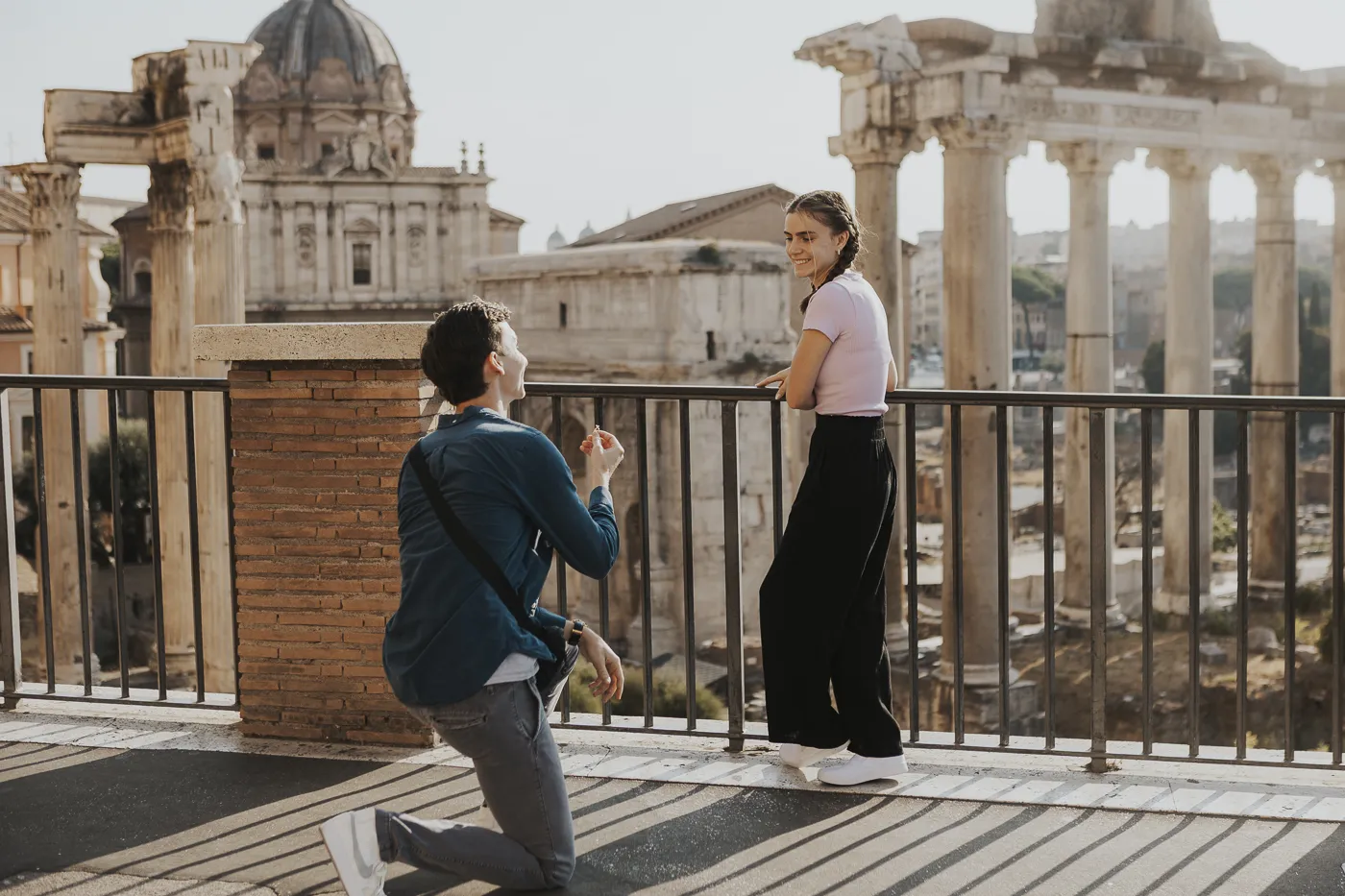
Discover Rome’s most romantic night photoshoot locations, where golden lights, ancient ruins, and moonlit piazzas become your backdrop. This guide shares personal tips and stories to help you capture the Eternal City at its most enchanting hour.

It started with a question I didn’t expect: “Would you take our photo?” whispered a honeymooning couple near the Tiber River as the dome of St. Peter’s Basilica glowed in the distance. I had my camera slung over my shoulder, chasing the kind of twilight magic that only Rome can cast. A quiet breeze stirred the cobblestones, and in the dim hush of the city’s ancient heartbeat, I realized how dreamlike Rome becomes after sundown.
If you’re looking to create a Rome night photoshoot—whether it’s for your engagement, honeymoon, or just a collection of unforgettable travel memories—know this: there is nowhere like Rome after dark. The usual crowds dissolve, the monuments shimmer under soft lighting, and love seems to linger on every alleyway. Let me walk you through the most romantic backdrops and the ideal ways to capture them under night’s spell.
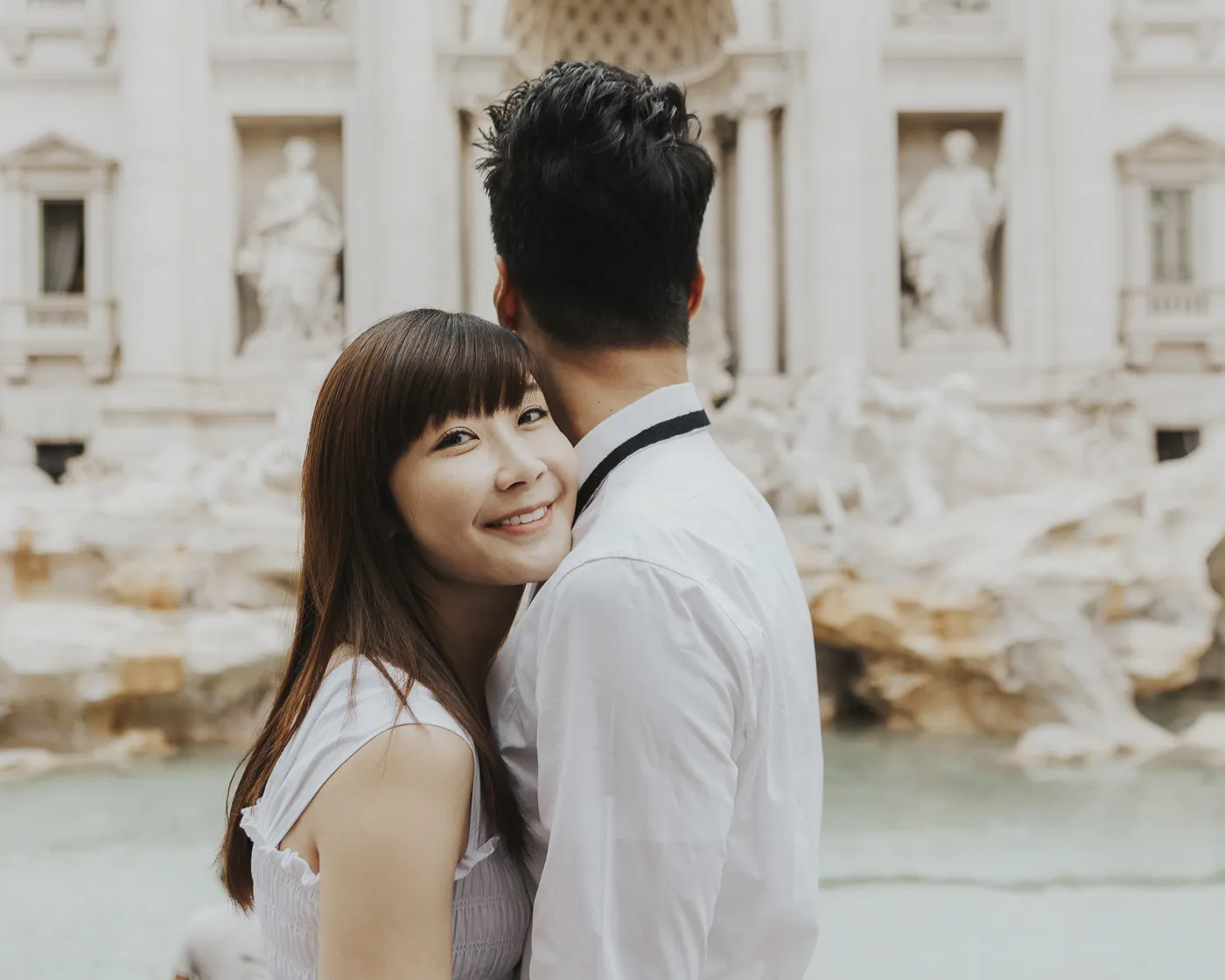
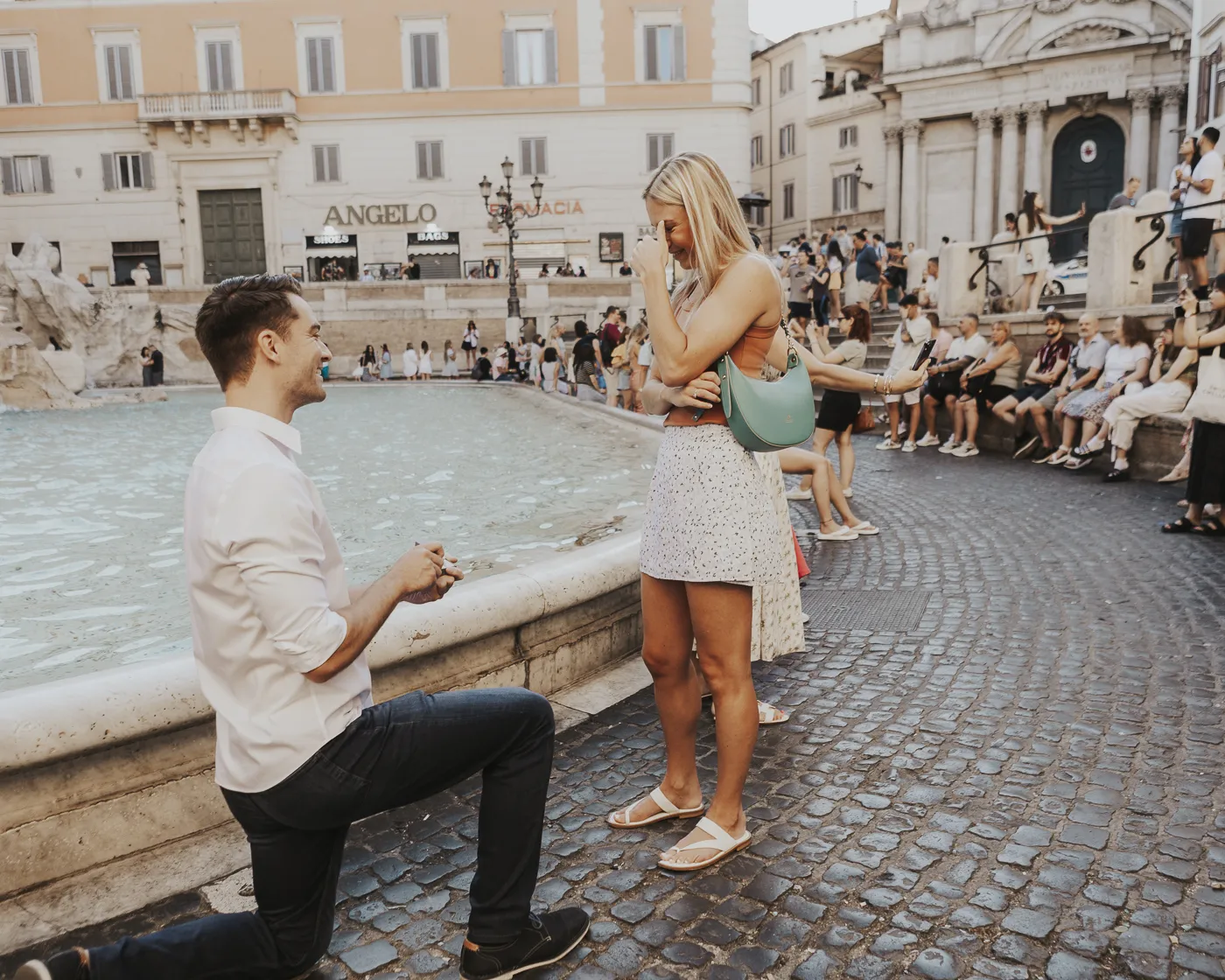
I remember standing at Trevi at exactly 11:45 PM. The crowds were thinning, and an almost sacred stillness replaced the usual frenzy. The marble gleamed under golden spotlights, and the water sparkled ice-blue as coins glimmered beneath the surface. It’s in this hour, just before midnight, that the iconic fountain transforms into something intimate—romantic even, in its grandeur.
To get there, I usually take Metro Line A to Barberini and walk the cobblestone alleys leading to the fountain—a short 7-minute stroll. The best photos are taken from the right-hand side when facing the fountain, where shadows from the lighting create beautiful contrasts on the statues’ contours. I used a 35mm f/1.4 lens handheld, no tripod that night, letting the ambient light do its magic. Just be patient—crowds thin significantly around midnight, especially on weekdays.
Ponte Sant’Angelo is a masterpiece unto itself, but at night, it becomes something ethereal. I walked across it one evening just after 10:00 PM. The bridge was practically empty except for a few couples wrapped in quiet conversation. The statues of angels along the balustrade seemed to whisper their own secrets in the breeze, their wings glowing under the amber lamps.
To get here, walking from Piazza Navona takes less than 10 minutes—turning the corner onto the bridge feels like a scene change in a romantic film. For your Rome night photoshoot, I suggest a 50mm lens to compress the perspective of the bridge and Castel Sant’Angelo in the background. Shoot toward the castle as the light reflects off the Tiber; it creates a natural spotlight on your subject. Around 10:00–10:30 PM is ideal—still enough lighting, but few interruptions.
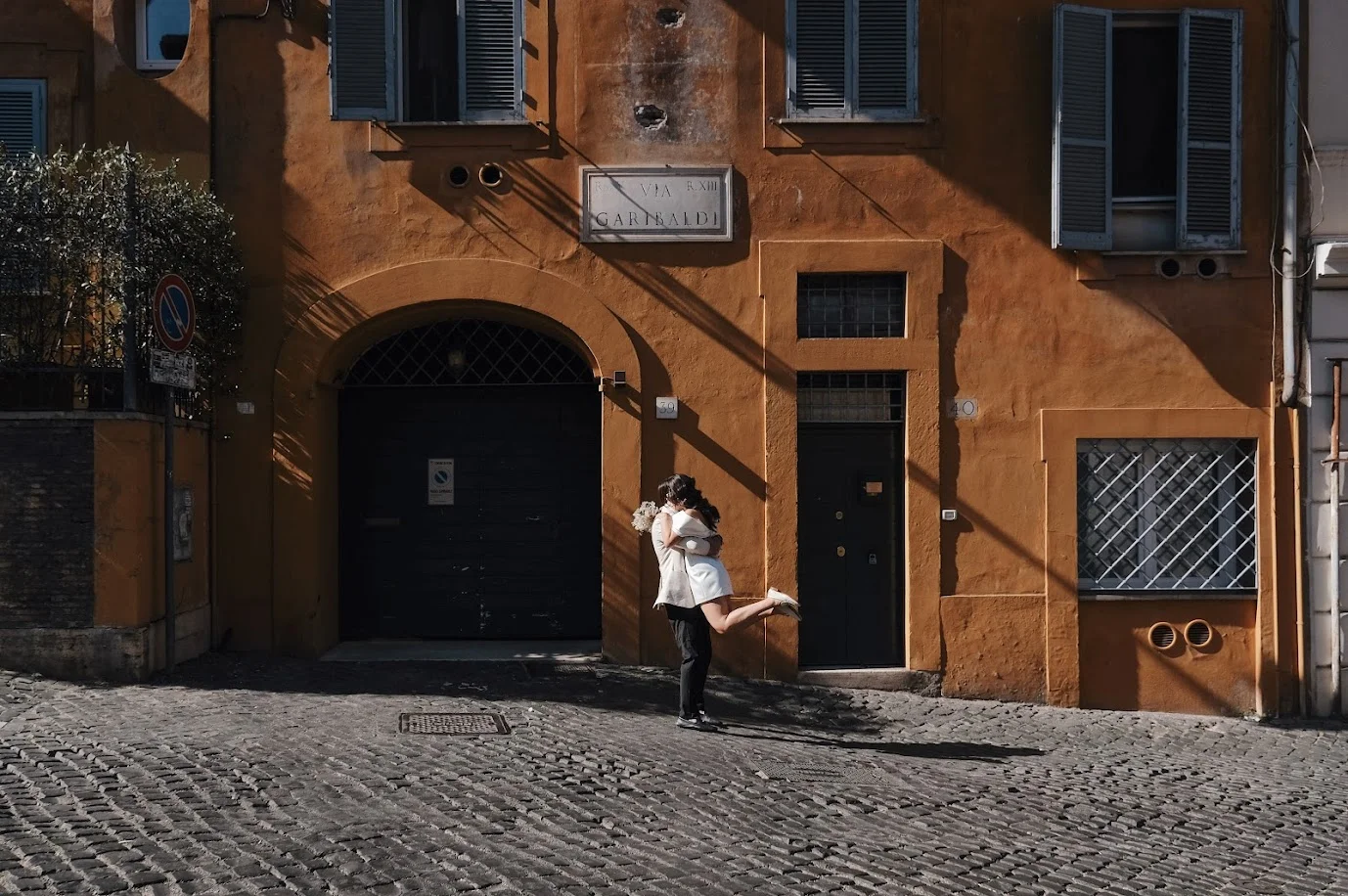
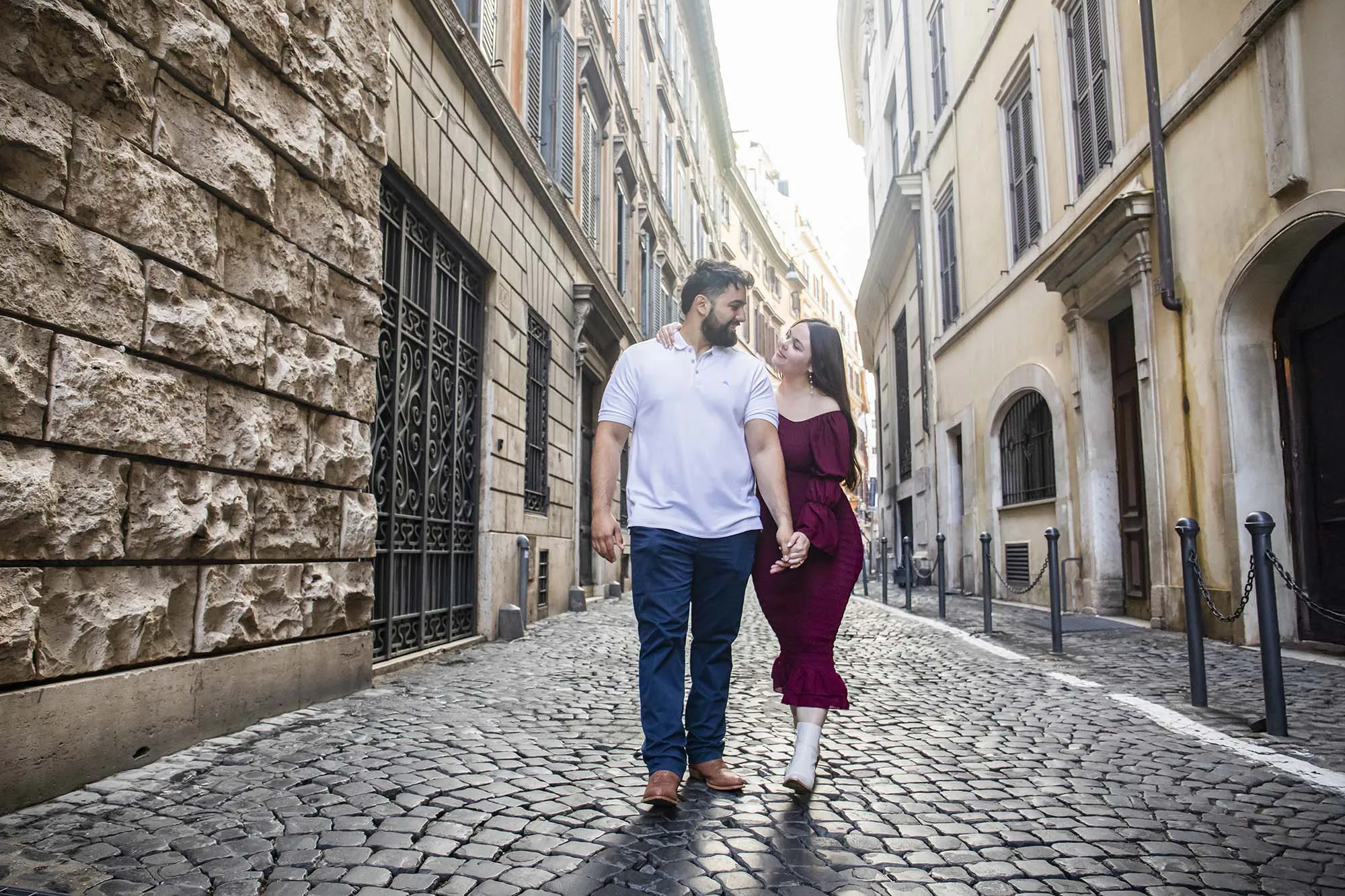
There’s a charm in Trastevere that simply doesn't exist anywhere else in Rome. The clink of espresso cups fades into the night, replaced by laughter wafting from trattorias and the faint strum of a street guitarist. I wandered its maze of alleys one evening with my camera, and every turn felt like stepping into a Caravaggio painting.
I recommend arriving around 8:30 PM so you catch the transition from golden hour into night. Bus #H from Termini drops you near Ponte Garibaldi, and from there, you can meander north into the heart of Trastevere. One of my favorite corners is Vicolo del Cinque—narrow, ivy-covered, and softly lit. I used a wide-angle 24mm lens to show off the surrounding architecture while keeping the intimacy of the shot. Long exposures work beautifully here, especially with the glimmering lanterns.
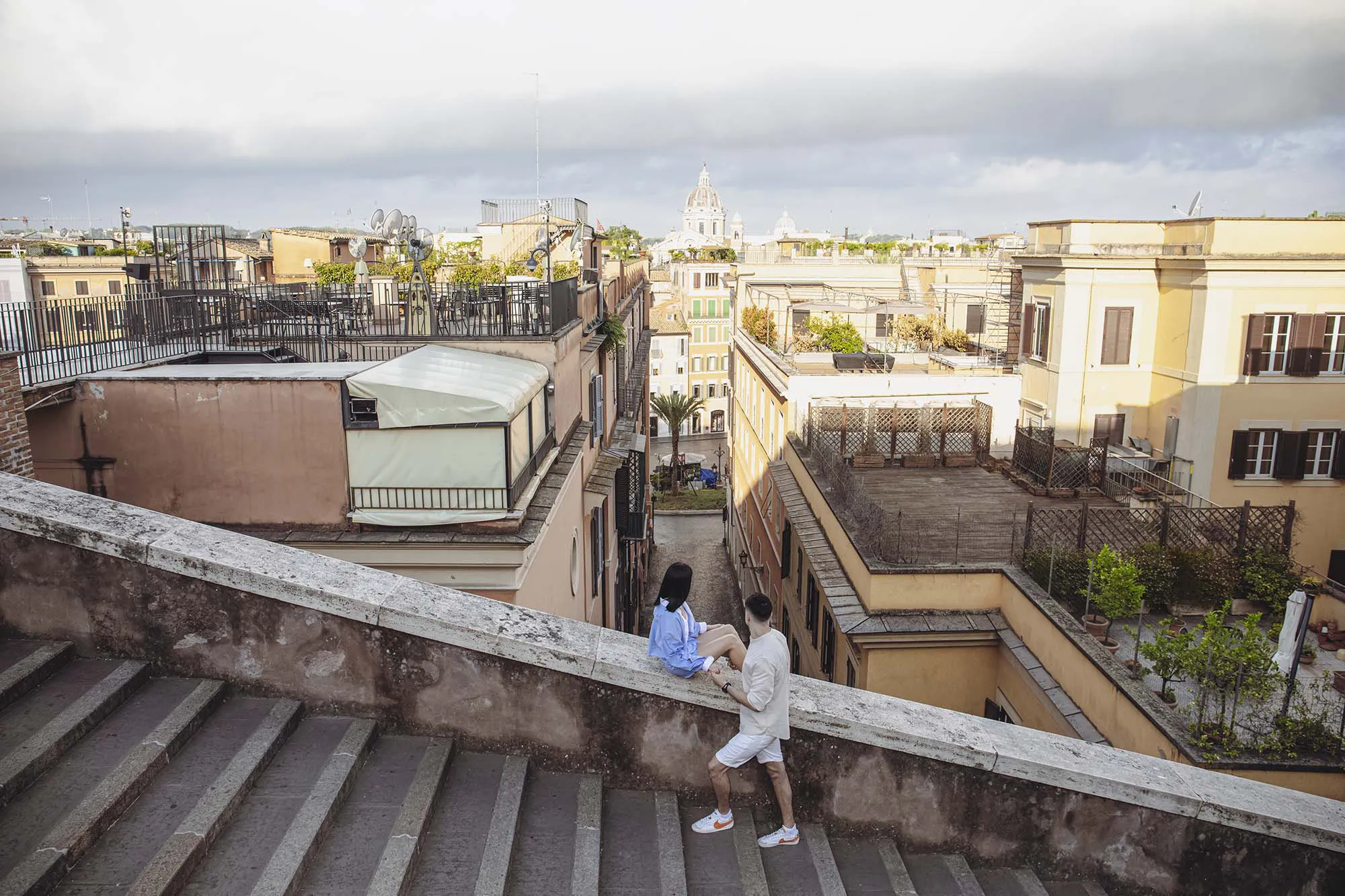
There’s something magical about the Spanish Steps when they are nearly deserted. I remember visiting at 1:00 AM, with only distant laughter echoing from Via dei Condotti. Bathed in soft illumination, the marble takes on new textures, and the city below falls silent. The steps invite stillness at this hour—perfect for capturing moments that feel timeless.
Taking the metro to Spagna station (Metro Line A) makes this one of the easiest landmarks to access late at night. Photography here is about angles: shoot up from the base to capture the Barcaccia Fountain in the foreground and Trinità dei Monti in the distance. Or climb halfway for a more intimate portrait with the soft-lit steps cascading behind. I found that using a 35mm or even a tilt-shift lens gives a unique depth to these frames.
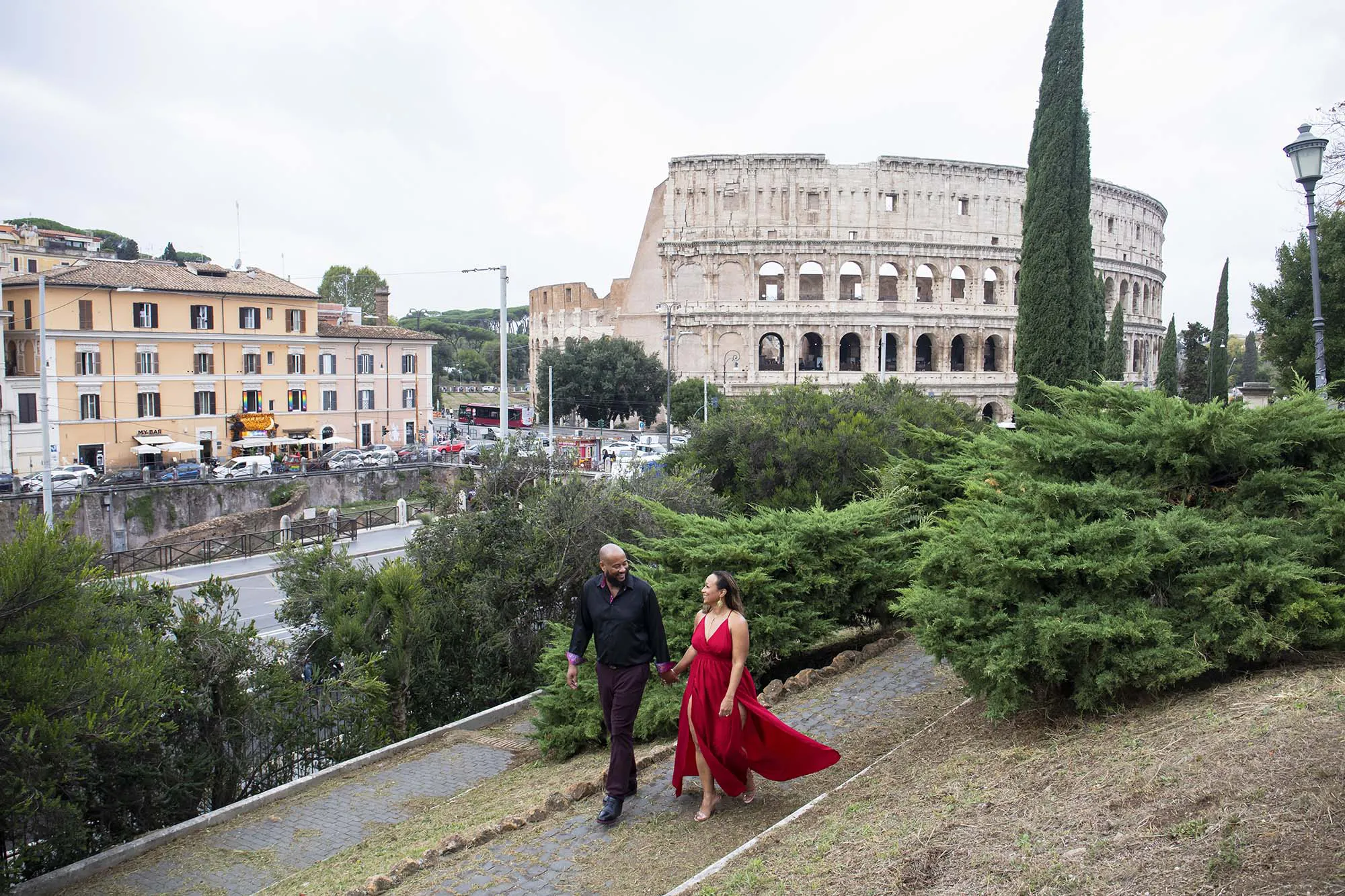
The Colosseum at night is not just a monument—it’s a living soul, pulsing under yellow floodlights against the navy Roman sky. I stood there once at 10:00 PM, on the far side by Via Nicola Salvi, where the view is uninterrupted and the moon often nestles perfectly above the arches. The air carries a hush here, as if the stones remember every story carved into them.
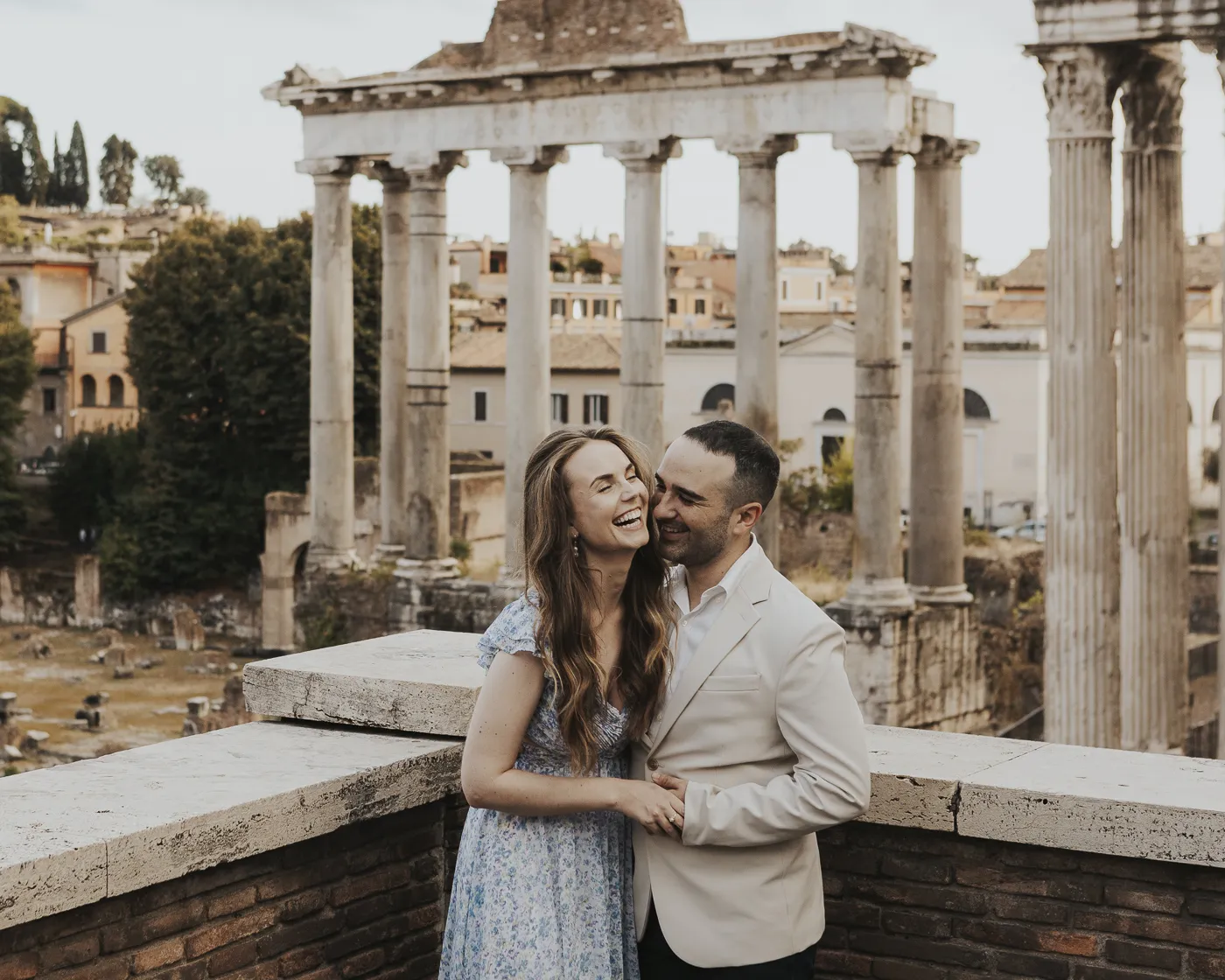
To get here, take Metro Line B to Colosseo. Most people congregate by the front arches, but for a quieter and more majestic shot, walk around to the eastern slope opposite the Roman Forum entrance. I like using a tripod and a slow shutter with a 16–35mm lens to bring out the colossal size and the light flows. If you catch a passing train below, even better—the trails add energy to the composition.
One of my most romantic shoots happened at Belvedere del Gianicolo. The view sweeps across the entire cityscape—domes, towers, and terracotta rooftops glowing like embers in the night. I arrived just after sunset, around 8:45 PM in summer, and watched the light fade into indigo while couples leaned on the railing, their faces aglow from Rome’s radiance.
Bus 115 from Trastevere takes you up the hill, or you can enjoy a leisurely hike if you're feeling energetic. Even before taking out your camera, pause. Just breathe it in. Then set up with a wide lens or panorama mode to capture the skyline. A tripod is a must here, especially for long exposures, as the ambient light is gentle. Try framing St. Peter’s dome slightly off-center for a more dynamic composition.
Golden hour begins around 7:30 PM during summer months, transitioning into twilight by 8:45 PM. For quieter scenes, aim for 10:00 PM to midnight—it balances light and peaceful ambiance.
Yes, central Rome is generally safe after dark, especially in popular areas like Trastevere, near the Colosseum, or Vatican-side bridges. As with any city, stay aware of your surroundings and secure your gear.
While fast lenses can help with handheld shots, a tripod greatly improves quality for long exposures and cityscape compositions—especially at quiet landmarks like Gianicolo or Santa Maria in Aracoeli.
Rome by night is more than a backdrop—it’s a feeling. It hums, glows, and breathes beneath every step you take. From lamp-lit bridges to whispering fountains, the Eternal City reveals an intimacy once the sun dips behind her domes. Wherever you turn your lens—be it above Trastevere’s rooftops or beside the Colosseum’s ancient pillars—there’s a story waiting to be captured.
So bring your camera, but more importantly, bring your awe. Let Rome at night wrap you in her timeless beauty and guide every frame. If you’ve ever dreamed of photographing a city that feels like a living love letter, this is your time. This is your frame.
Dive into our detailed guides on logistics, secret spots, and photography tips to ensure your day goes smoothly.